
The Odor Problem
Understanding and Addressing Cat Urine Odor
Permeating Odor of Cat Urine
For many cat owners, the distinctively strong odor of cat urine is an unavoidable challenge. This persistent smell can saturate your home, making it uncomfortable and frustrating. The molecular composition of cat urine includes compounds like urea, urobilin/urobilinogen, and uric acid, which contribute to its characteristic ammonia-like scent. As these elements break down, they release additional odorous compounds such as mercaptans, similar to those found in skunk spray, intensifying the unpleasant smell. Regular household cleaning techniques often fail to effectively neutralize the ammonia smell associated with cat urine.
Decoding the Chemistry of Cat Urine
A thorough understanding of the biochemical makeup of cat pee is crucial in managing its odor. Cat urine comprises a mix of waste products including uric acid, urea, urobilin/urobilinogen, creatinine, and pheromones. As cat urine sits in the environment, it produces ammonia, which contributes to the odor. Among these, uric acid poses the most significant challenge due to its water-insoluble nature. When deposited, uric acid crystallizes, forming semi-solid residues that adhere to porous surfaces like fabrics and wood. Over time, these residues decompose, releasing malodorous compounds that are resistant to standard cleaning measures.
Challenges with Conventional Cleaning Methods & DIY Solutions
Traditional cleaning products are often inadequate for resolving cat urine odor issues due to the unique composition of the urine, making it essential to employ practical strategies to clean cat urine effectively. Uric acid crystals, once lodged in porous materials, degrade slowly, unleashing foul odors over time that ordinary cleaning solutions cannot neutralize. Additionally, environmental bacteria can accelerate this degradation process, resulting in ammonia and carbon dioxide production, which exacerbate the smell.
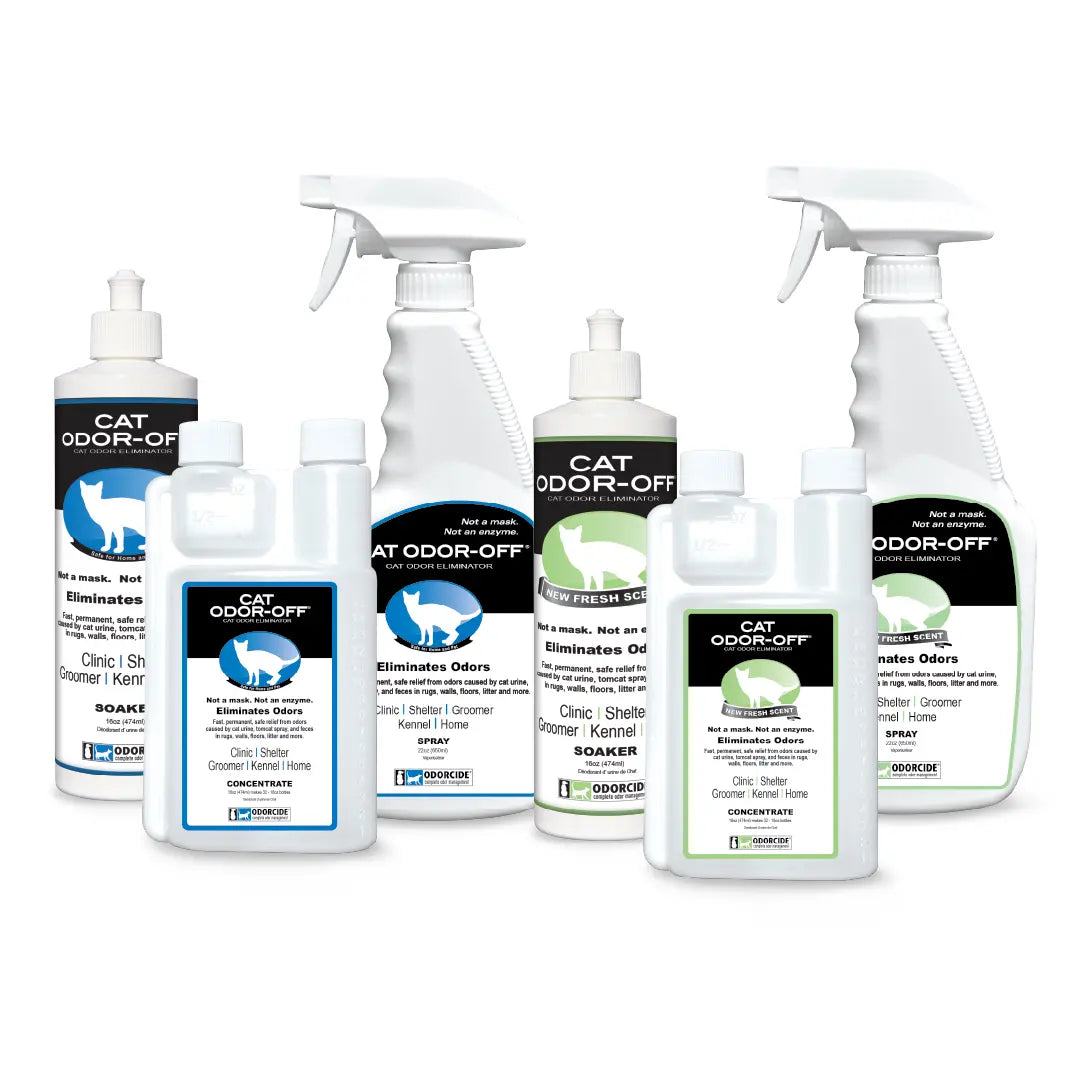
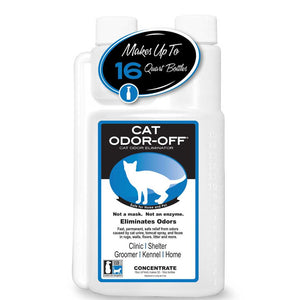
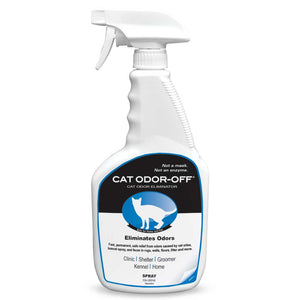
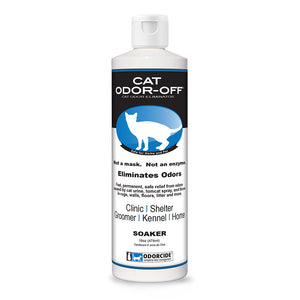
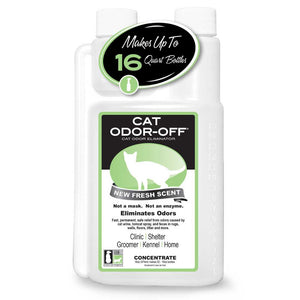
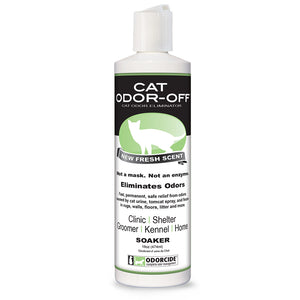
Homeowners frequently rely on DIY approaches for pet urine odor management, yet these methods rarely achieve complete odor elimination. Cat Odor-Off presents a specialized alternative for tackling the stubborn scent of cat urine for those unsatisfied with the results of conventional solutions.
Why Cats Pee Outside the Litter Box
Various reasons might lead your cat to urinate outside their litter box, including:
- Health Issues
- Behavioral Factors
- Litter Box Conditions
Medical problems such as feline lower urinary tract disease (FLUTD), kidney disease, diabetes, or arthritis can cause discomfort while using the litter box, prompting cats to seek other places for relief. Stress from household changes, like the introduction of new pets or people, or even altering the interior layout, can also lead to inappropriate urination. Furthermore, if the litter box is unclean, inadequately sized, or positioned in a noisy area, cats may choose not to use it. It’s crucial to consult a vet for any sudden shifts in your cat’s toilet habits to rule out underlying health issues.
Preventing Repeat Offenses in Specific Spots
To stop a cat from urinating repeatedly in a previously targeted location, several steps can be taken. First, ensure the area has been thoroughly treated with ODORCIDE® Cat Odor-Off to fully eliminate residual odors that might entice the cat to return. Place objects like furniture, food and water dishes, or a cat bed in the area to deter future markings. Additionally, using pet repellent sprays or diffusers with synthetic pheromones that simulate cat facial pheromones may create a relaxing environment and prevent recurring incidents.
Preparing for Cleaning
Before diving into cleaning cat pee, it’s crucial to prepare yourself and your home for the task ahead. Proper preparation can make the process more efficient and effective. Here are some essential steps to follow:
- Gather Cleaning Supplies: Ensure you have all the necessary cleaning products on hand. Having everything ready will save you time and hassle during the cleaning process.
- Identify the Source: Pinpoint the exact location and extent of the cat pee stain or odor. This will help you focus your efforts and ensure you don’t miss any spots that need attention.
- Remove Any Solid Waste: If there is any solid waste left behind, remove it immediately using paper towels or a scoop. This step prevents the waste from spreading and makes the cleaning process more manageable.
- Ventilate the Area: Open windows and doors to provide good ventilation. Fresh air will help dissipate any lingering odors and create a more pleasant environment while you clean.
- Wear Protective Gear: Protect yourself from bacteria and odors by wearing rubber gloves and a face mask. This precaution ensures your safety and comfort during the cleaning process.
By following these preparatory steps, you’ll be well-equipped to tackle the task of removing cat pee and its accompanying odors from your home.
Effective Methods for Removing Cat Urine Smell from Carpeting
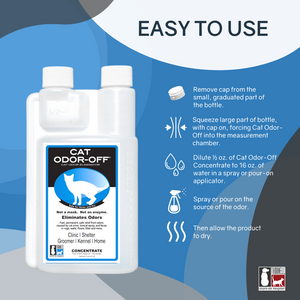
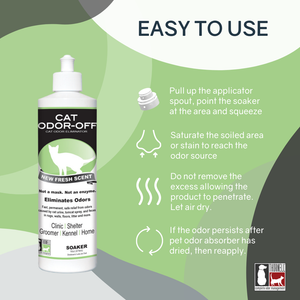
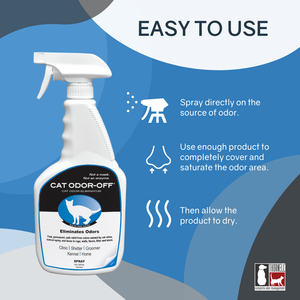
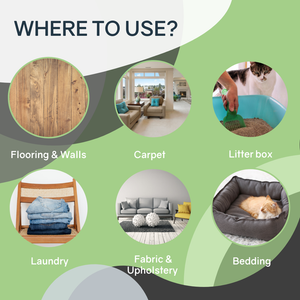
Getting rid of cat pee odor from carpeted areas demands a dedicated approach. ODORCIDE® offers an effective solution to neutralize enduring odors, whether in a home or business setting. For optimal results, mix the concentrated solution as instructed, then thoroughly treat the carpet where the odor originates. Make sure to saturate the entire affected area, allowing the solution to reach the root of the smell. Following application, let it air dry. If any odor persists after treatment, apply additional product to cover the entire source. Feedback from satisfied customers demonstrates the powerful efficacy of our products.
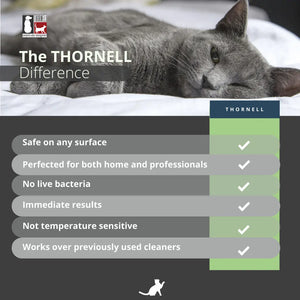
Our ODORCIDE® line utilizes a distinct, non-enzymatic formulation effectively addressing odor issues regardless of prior product applications.
Maintaining a Fresh and Clean Home
Preventing cat pee stains and odors from recurring is essential for maintaining a fresh and clean home. Here are some tips to help you keep your home odor-free:
- Clean the Litter Box Regularly: Scoop out solid waste daily and change the litter completely every 7-10 days. A clean litter box encourages your cat to use it consistently, reducing the likelihood of accidents.
- Provide Multiple Litter Boxes: Ensure your cat has access to multiple litter boxes, especially in multi-cat households. This reduces competition and increases the chances of your cat using the litter box.
- Keep Your Home Clean: Regularly vacuum and dust surfaces to remove dirt and debris. Wipe down surfaces with a damp cloth to keep them clean and fresh.
- Use Odor-Absorbing Products: Products like baking soda or activated charcoal can help absorb lingering odors in your home. Place them in areas where odors are most likely to occur.
- Consider a Steam Cleaner: Steam cleaners are effective for removing tough stains and odors from surfaces. Use them regularly to maintain a fresh and clean home environment.
By following these tips, you can prevent cat pee stains and odors from becoming a recurring issue, ensuring a pleasant and odor-free home for you and your pets.
Solution: Odorcide Cat Odor-Off
Removing cat odors from carpets can be a daunting task. Cat Odor-Off provides products that eliminate persistent odor issues and prevent their reappearance. Our previous customers have highlighted how effectively our products have worked for them. Cat Odor-Off features a unique, non-enzymatic formula that works, no matter what products have been used before!
For The Pet Owner
You work hard, and it’s crucial to use the best products when tackling tough cat odors. The last thing you want is to face a carpet without a solution to the pee odor problems. Use ODORCIDE® Cat Odor-Off to leave every carpet smelling fresh and clean.
ODORCIDE® Cat Odor-Off can be used at any stage of your cleaning routine. Use it as a pre-treatment to start eliminating odors, apply it during cleaning for deeper odor removal, and use it as a post-treatment to leave a pleasant scent for both animals and their owners.