
The Odor Problem
Why is skunk smell so strong?
Skunk smell, often described as a foul odor mix of rotten eggs, garlic, and burnt rubber, is notorious for its strong and unpleasant odor. This skunk odor comes from a sulfuric compound known as thiols, which are produced in the skunk’s anal glands.
Skunks produce this skunk spray as a defense mechanism against predators. When threatened, they can spray this foul-smelling liquid up to 10 feet away. The potency of the skunk smell serves to deter potential threats, giving the skunk enough time to escape. This adaptation has made the skunk one of the most recognized and avoided creatures in the animal kingdom. This pungent skunk odor can make your home unbearable, and regular household cleaning methods often prove ineffective in completely eliminating this smell.
Effects of skunk spray
The impact of skunk smell on humans can lead to many physical effects. The strong odor can lead to a variety of symptoms including nausea, vomiting, and even temporary blindness if the spray comes into direct contact with the eyes.
The high sulfur content in the spray can cause irritation to the skin and respiratory system, leading to coughing and difficulty breathing in severe cases. The smell can linger on the skin, clothing, or other materials for days or even weeks, creating a persistent discomfort.
Pets are similarly affected by skunk spray. They may experience similar physical symptoms as humans, including temporary blindness and skin irritation. Pets often become distressed after being sprayed, especially because they have a stronger sense of smell than humans. Moreover, it can be challenging to remove the skunk smell from pets, causing prolonged discomfort for both pets and their owners.
Should you use a DIY skunk smell remover?
When your pet gets sprayed by a skunk, it can be a truly unpleasant experience for both you and your furry friend. While there are numerous DIY remedies out there, it’s important to consider safety and effectiveness. Many of these solutions involve ingredients like hydrogen peroxide, baking soda, and dish soap. While these can be effective in removing skunk odor, they also come with their own risks.
Hydrogen peroxide, for instance, is a common component in many DIY skunk smell removers. However, if not used correctly, it can be harmful to your pet. High concentrations of hydrogen peroxide can cause irritation and even change the color of your pet’s fur. Baking soda, another ingredient often used in these mixtures, can be abrasive and should be used with caution. Dish soap, while helpful in breaking down oils, can also dry out your pet’s skin if used excessively.
One popular DIY remedy you may have heard of is the tomato juice bath. The idea is to soak your pet in tomato juice to neutralize the skunk smell. While this can offer some temporary relief, it is not always effective in completely removing the odor. Additionally, using regular laundry detergent mixed with baking soda and hydrogen peroxide is another approach people take. Yet, these mixtures can be harsh on your pet’s skin and coat, and they often require multiple applications to achieve the desired result.
How to stop future skunk smell
Preventing future skunk encounters begins with making your property less appealing to skunks. They are omnivores and are attracted to easily accessible food sources. Secure your garbage cans with tight-fitting lids, pick up fallen fruit from trees promptly, and avoid leaving pet food outdoors. Skunks are also drawn to sheltered areas for nesting, so seal off any potential hiding spots such as under decks or sheds. If you’re in nature, be aware of your surroundings, especially at dawn and dusk when skunks are most active. Avoid surprising them, as they spray when startled or threatened.
For pet owners, it’s crucial to supervise your pets when they’re outside, particularly during the early morning and evening hours. Keep them on a leash when walking in areas where skunks may be present. Training your dog to come when called can also be an effective way to prevent encounters. Additionally, consider installing motion-activated lights or sprinklers in your yard, which can scare off skunks before your pet has a chance to interact with them. Remember, prevention is always better than dealing with the aftermath of a skunk spray.
The Right Remedy
The impact of skunk odor on humans and pets can be both physically discomforting and emotionally distressing. However, with immediate action and the right remedies, it’s possible to remove skunk smell effectively. Furthermore, by securing food sources, sealing potential nesting areas, and supervising pets outdoors, you can significantly reduce the chances of future skunk encounters. While skunks are a part of our natural ecosystem and play an important role in controlling pests, maintaining a respectful distance is beneficial for both humans and these unique creatures.
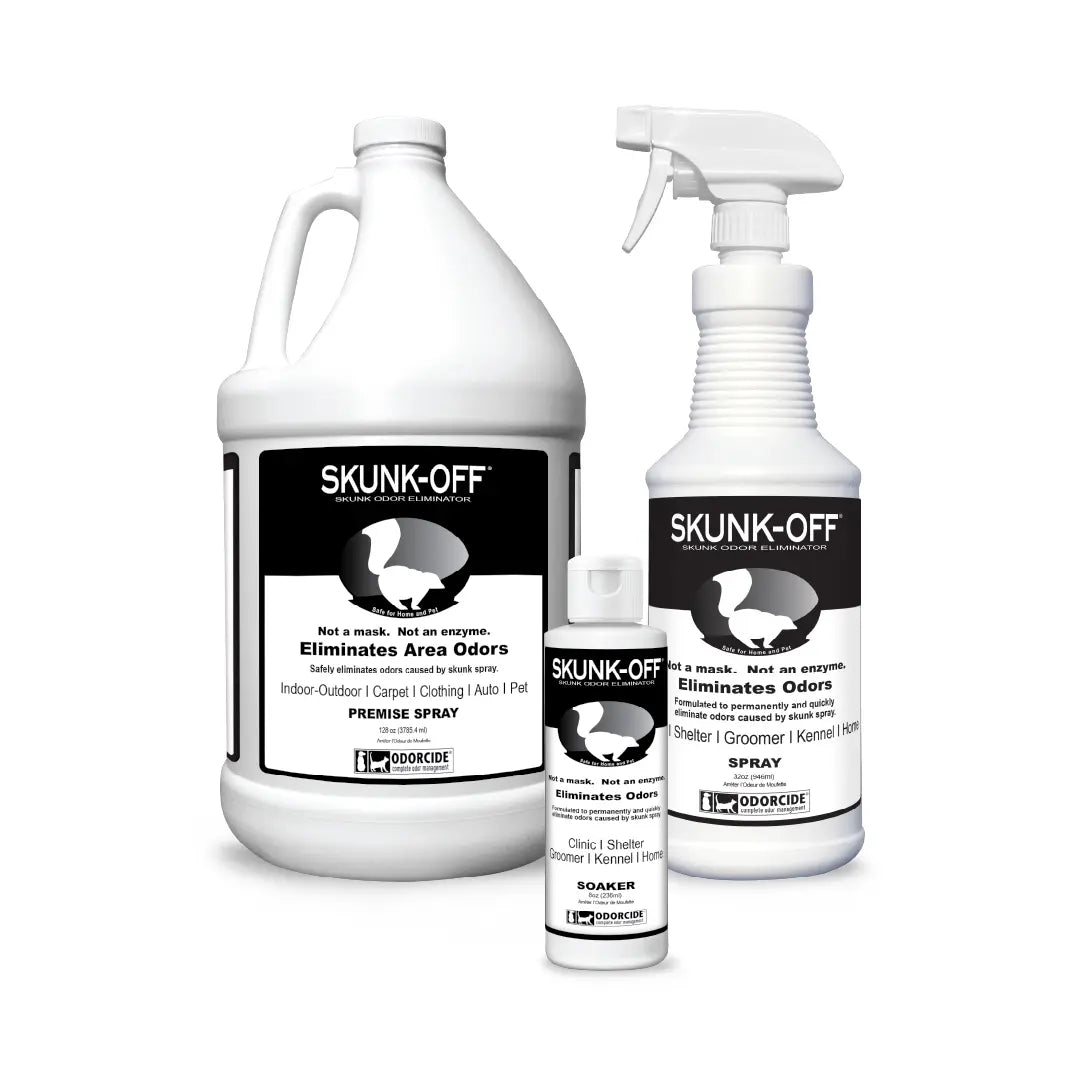
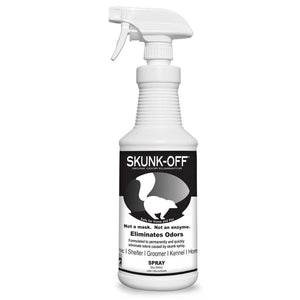
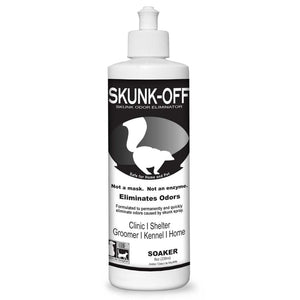
Solution: Odorcide Skunk-Off
ODORCIDE® offers products that eliminate serious odor problems and keep them from returning.
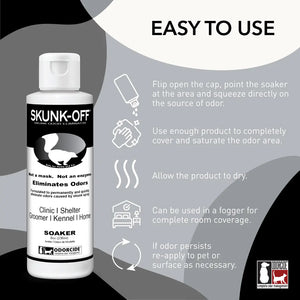
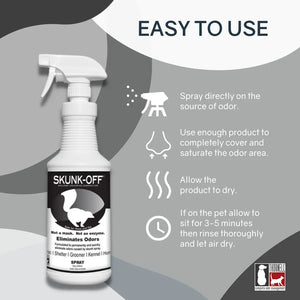
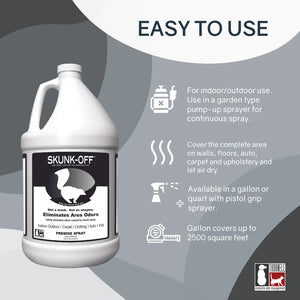
To use Skunk-Off - You will want to wipe off excess Skunk spray and then saturate the entire area with the Odorcide Skunk-off product of your choice, before putting water on your pet. Water will help the skunk oil penetrate into the skin more and become stronger. Pay attention to the area of the direct hit and work in thoroughly. Be sure to apply to eye lids, mouth and in-between toes. Thoroughly rinse animal and dry off. If you have already used a homemade remedy and it didn’t work, don’t worry! Odorcide Skunk-Off will work no matter what you have already put on your pet.
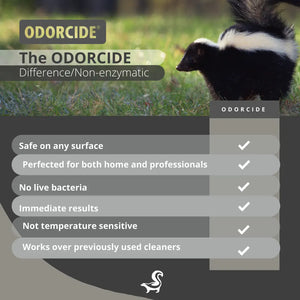
ODORCIDE® products feature a unique, non-enzymatic formula that works, regardless of what products have been previously applied!